







Your acquisition list is empty.
Browse artworks to add works you are considering.
Continue viewing art
Sold
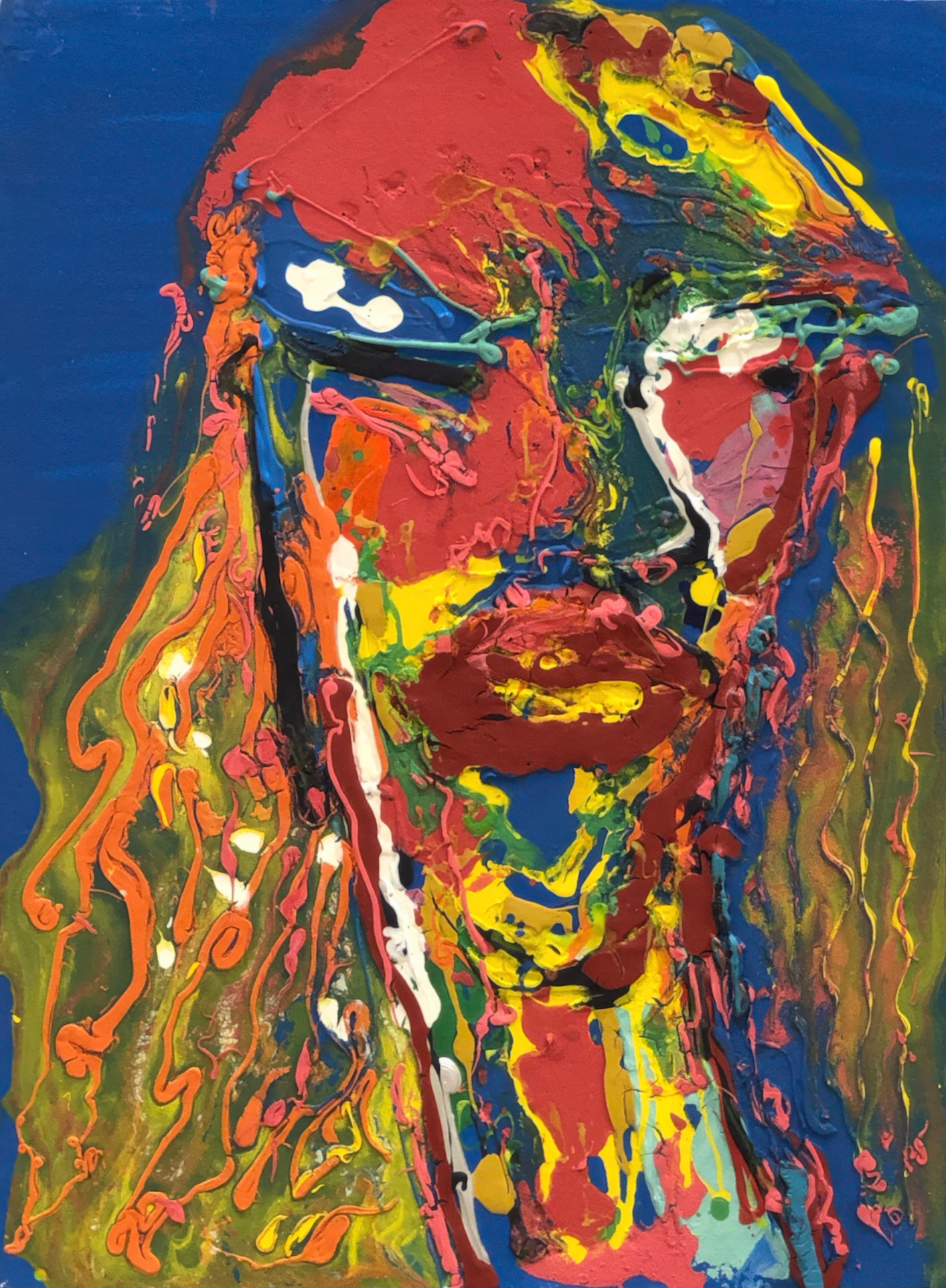
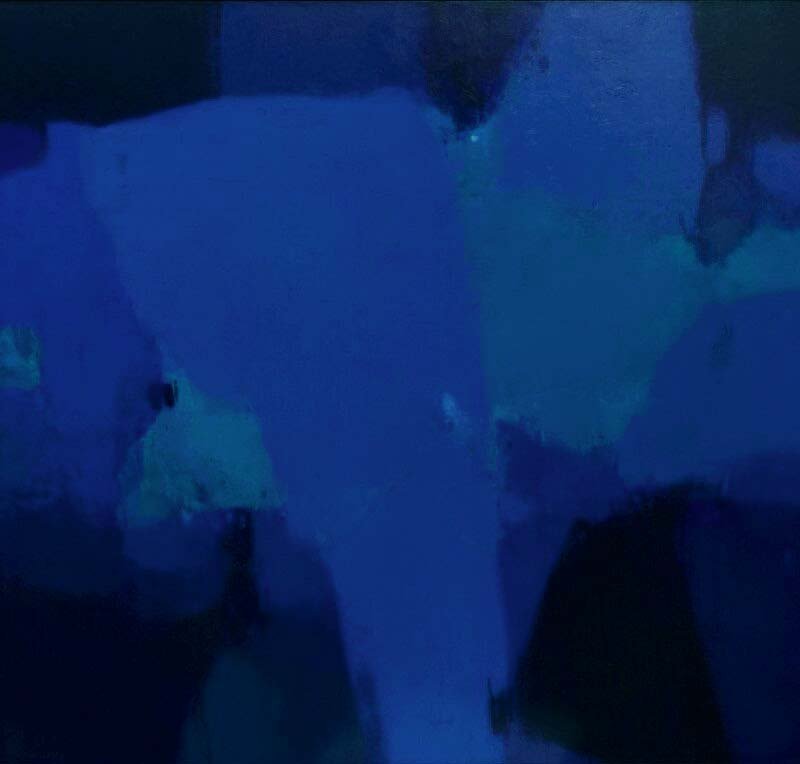
Size: 30.4 × 30.8 cm | 12 × 12.1 in
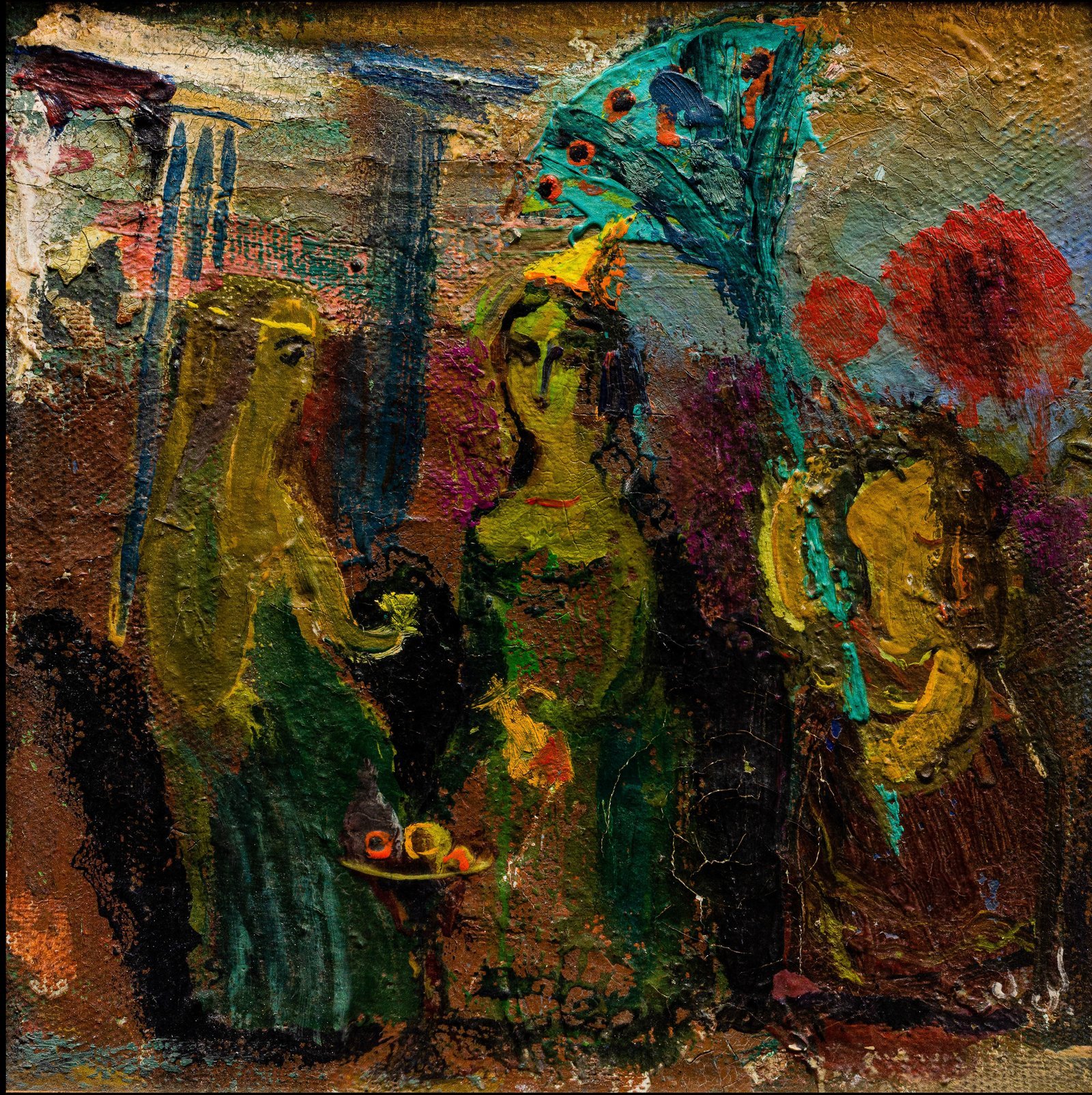
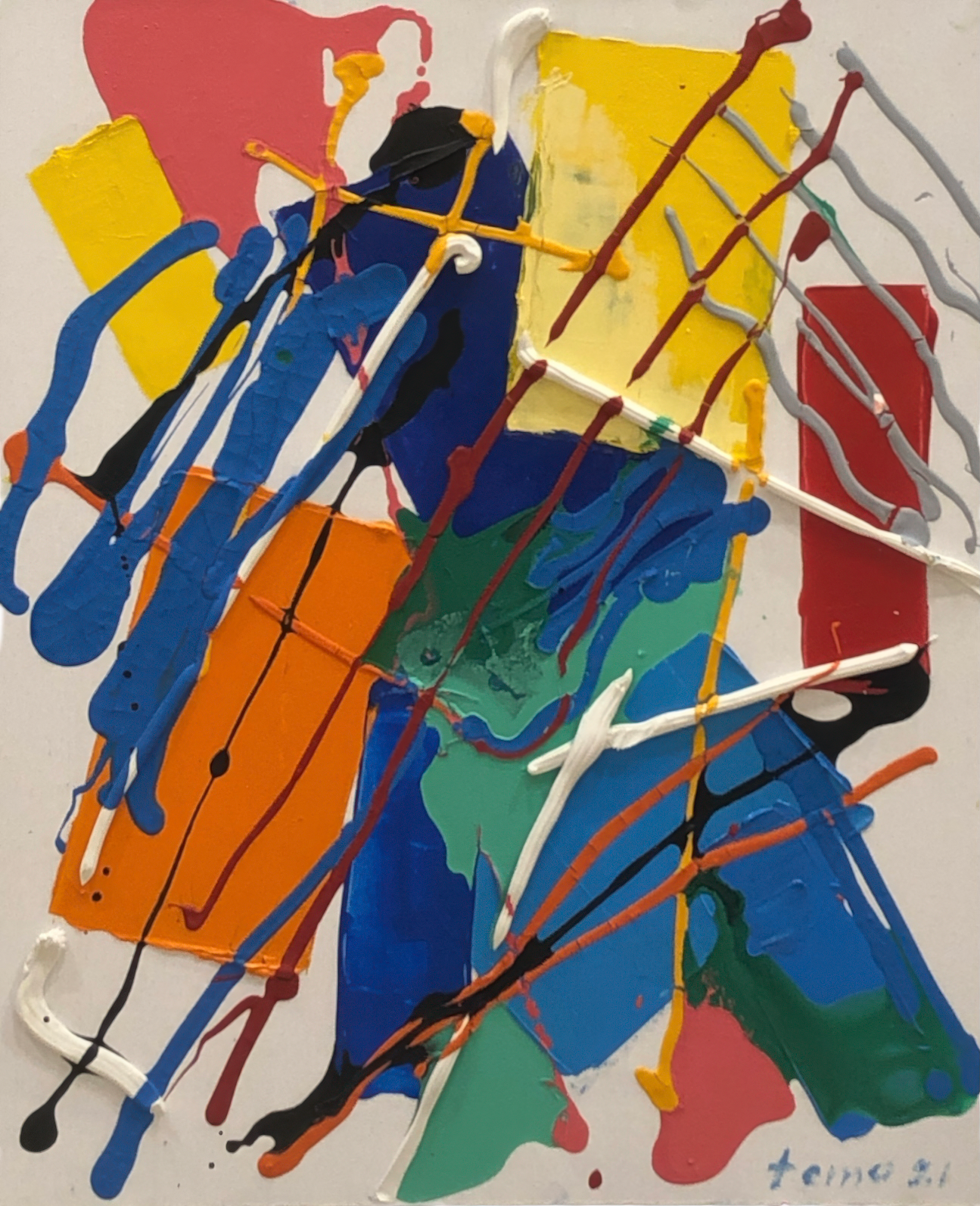
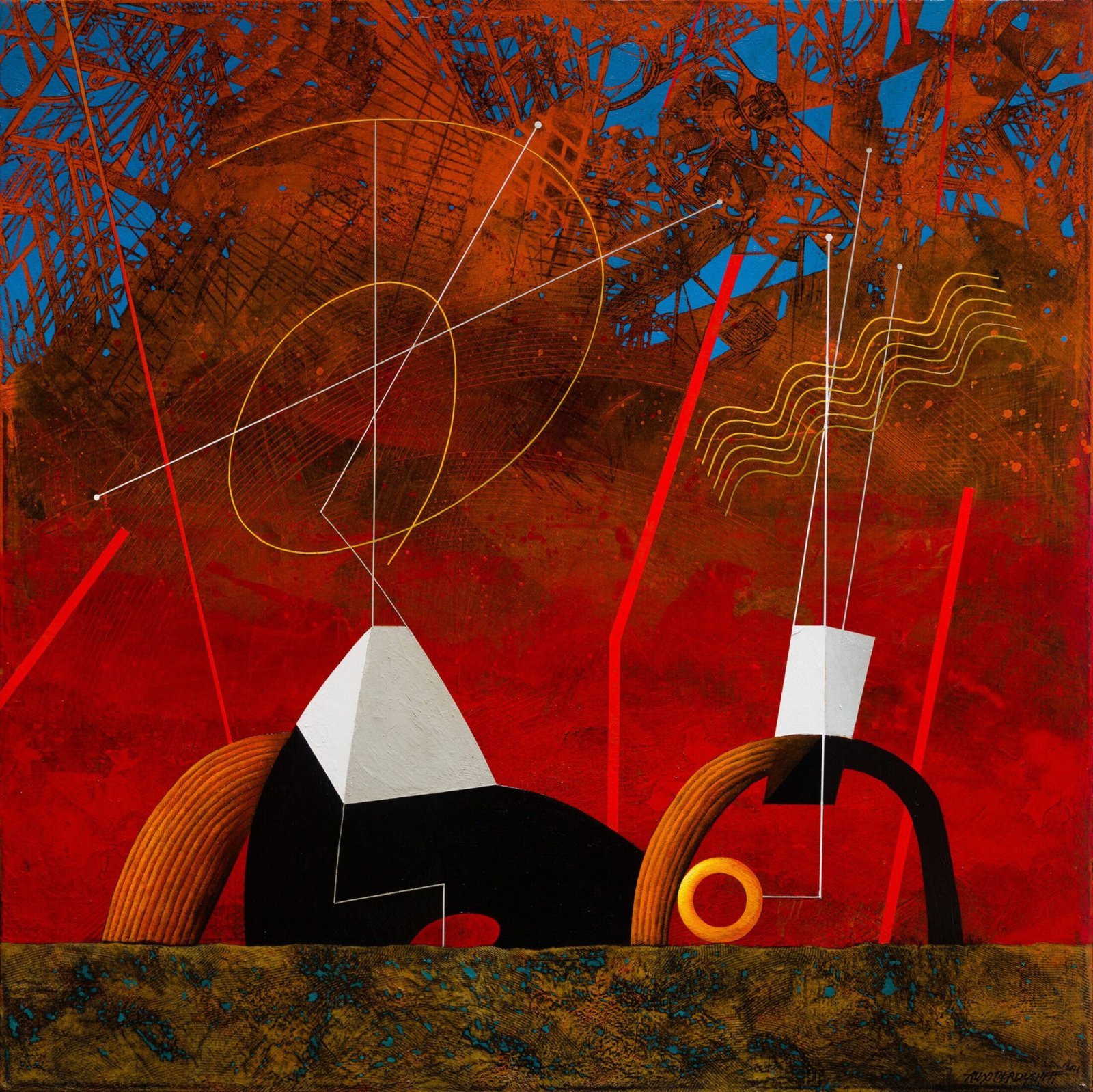
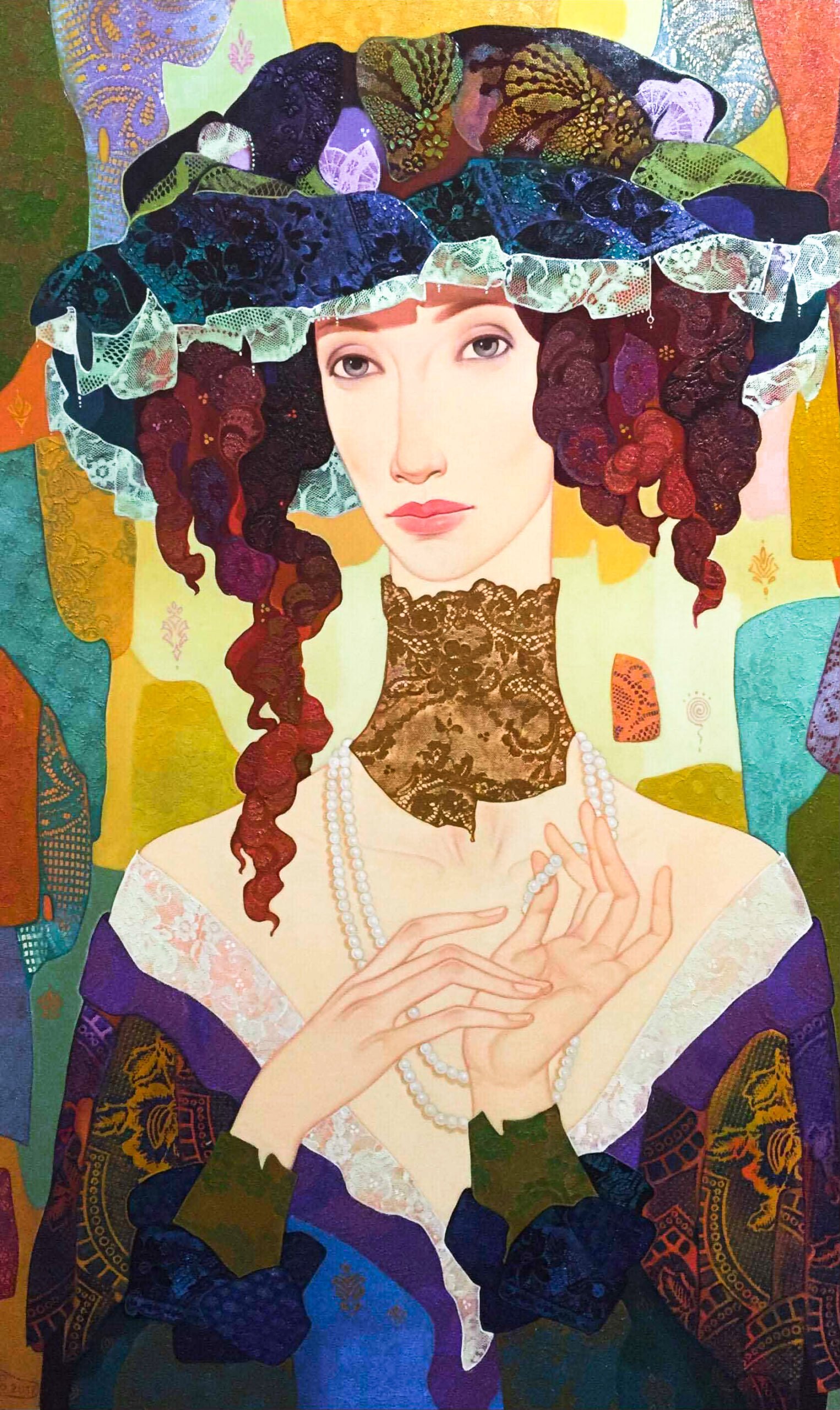
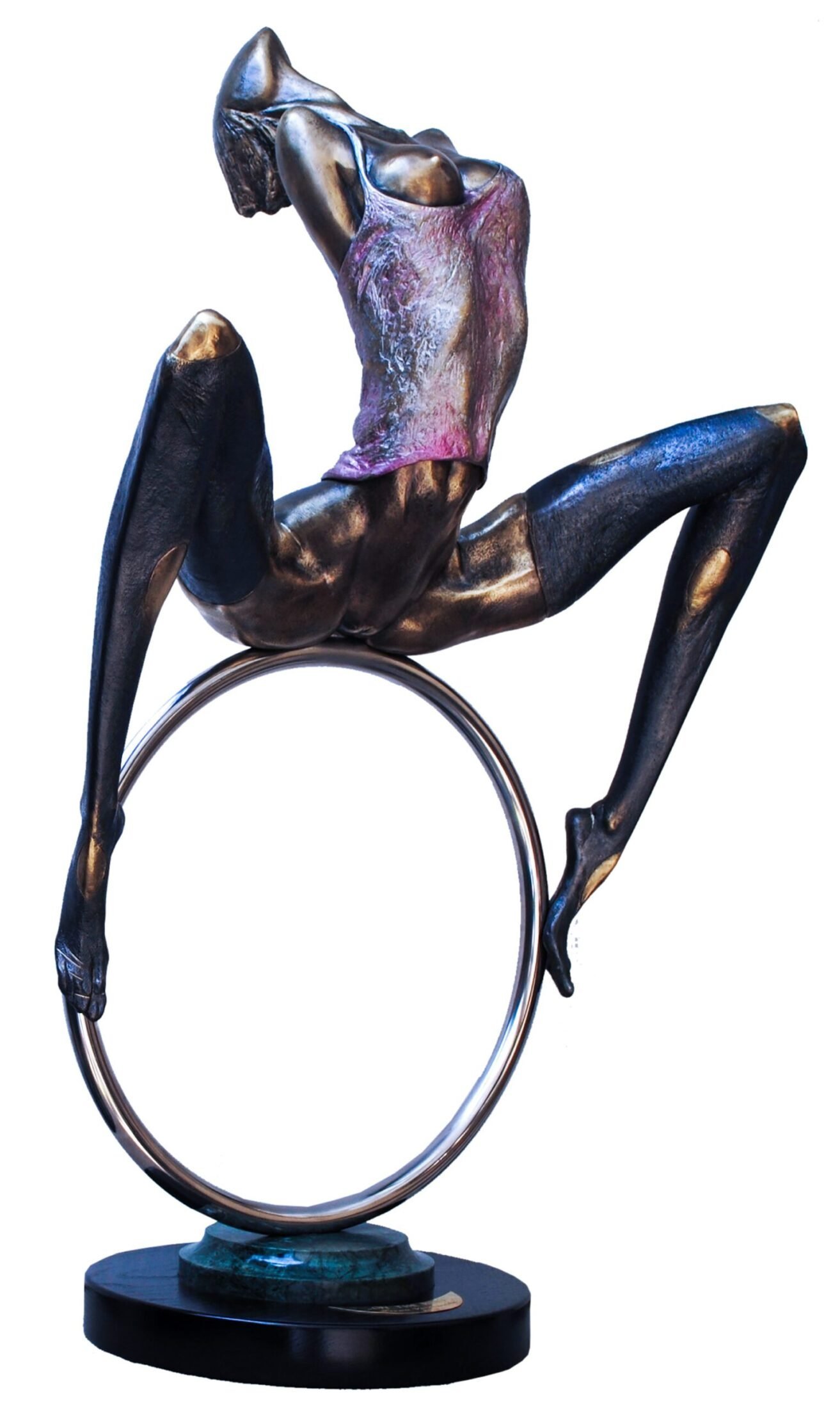
Clowns
Size: h30,4Xw30,8cm
Medium: Canvas, oil
Size: h30,4Xw30,8cm
| Dimensions | 30.4 × 30.8 cm |
|---|---|
| materials | Canvas, Oil |
Avtandil Popiashvili (Georgian, 1944–2012) was a leading Georgian painter and influential teacher whose work helped shape the expressive direction of Georgian art in the late Soviet and post-Soviet era. Associated with the pivotal generation of the 1970s, he contributed to the growing presence of Expressionist approaches in Georgian painting—favoring emotional intensity, dynamic brushwork, and a heightened sense of color.
Born on March 10, 1944, in Dedoplistskaro, Georgia, Popiashvili was trained in the rigorous academic traditions of Tbilisi’s major institutions before forging a personal visual language grounded in painterly freedom and psychological depth. His long-standing commitment to artistic education became a defining part of his legacy: for decades he taught painting at the I. Nikoladze Art School and worked with students at the Tbilisi State Academy of Arts, mentoring generations of emerging artists.
Popiashvili’s creative practice extended beyond easel painting to encompass scenography, animation, book illustration, and monumental decorative projects including interior design, mosaics, and frescoes, reflecting a wide command of materials and formats. From 1976, he was a member of the Union of Artists of Georgia, and between 1995 and 2002 he held key leadership roles, serving as Chairman of the Painting Section, Secretary of the Union, and representative of the International Confederation of Artists’ Unions in Georgia. In 2002, he became one of the founders of the Nico Pirosmani Welfare Fund.
His work was recognized through major exhibitions in Georgia and abroad, including projects presented in Moscow, Tallinn, and Paris (UNESCO). His paintings are held in prominent institutional collections, including the State Tretyakov Gallery, the State Museum of Art of Georgia, and the Museum of Oriental Peoples (Moscow and Tokyo), as well as in private collections internationally. Popiashvili died on April 15, 2012, leaving behind an enduring artistic and pedagogical legacy.
Personalize your message and include details for the best response.