Artist Spotlight is a recurring editorial series featuring distinguished and upcoming artists, showcasing and spotlighting their achievements and their art.
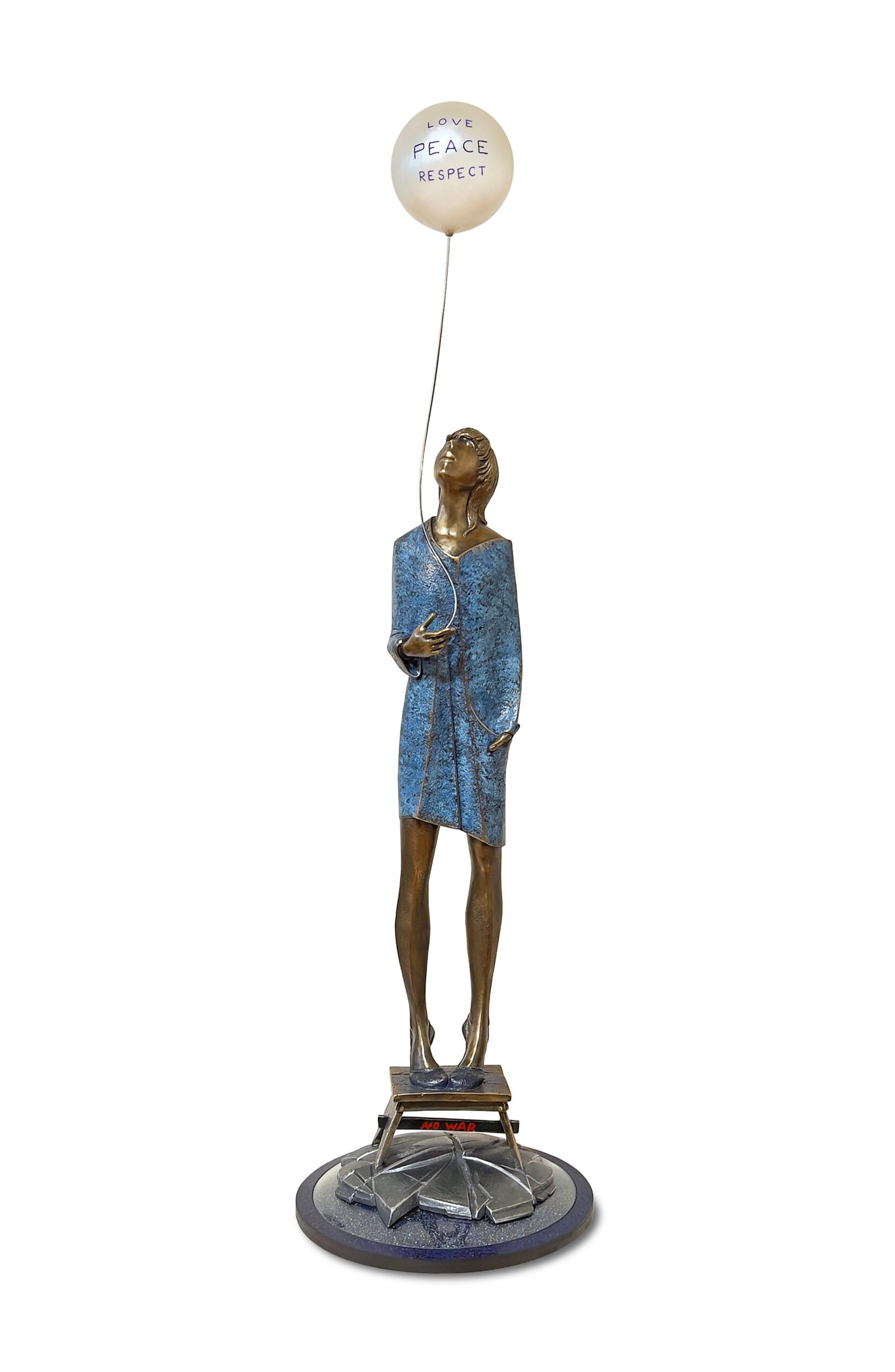
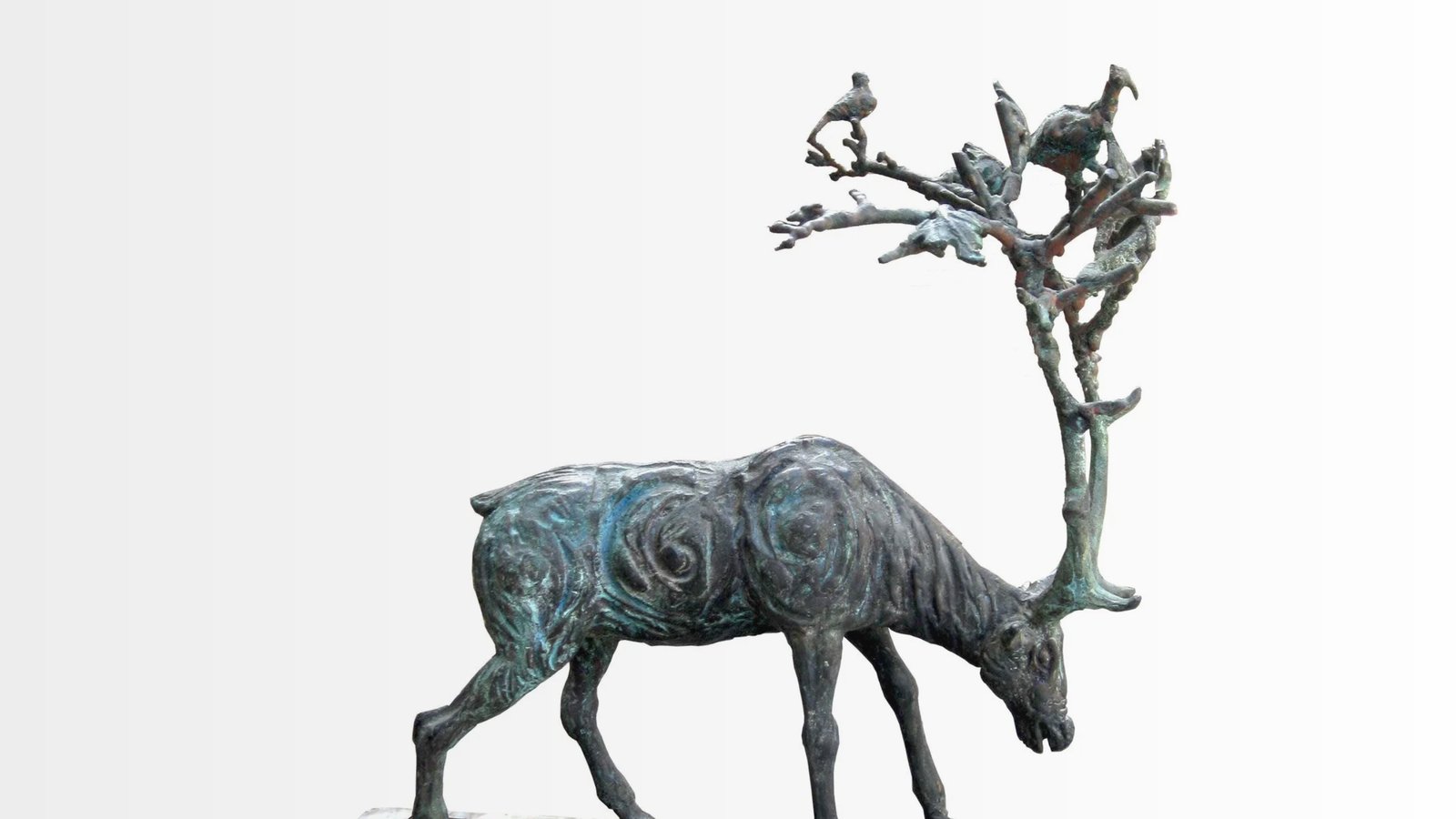
In the high-stakes world of contemporary sculpture, Levan Vardosanidze (b. 1957, Tbilisi) occupies a rare space where the gravitas of classical bronze meets the fluid experimentation of the avant-garde. His practice is not merely a study in form, but a tectonic shift in how we perceive the relationship between weight and spirit. For Vardosanidze, the act of sculpting is a metaphysical translation: “When working on sculpture, I transfer emotion into material and make it tangible.”
A Cinematic Pedigree
Vardosanidze’s aesthetic intelligence was forged through a rigorous dual-lineage: the storied academic traditions of the Tbilisi State Academy of Fine Arts and the monumental post-graduate environment of Moscow. However, it was his early tenure as a painter for Tbilisi’s legendary film studios (1980–1985) that granted his work its unique narrative pulse. This cinematic background is palpable in his public monuments; his sculptures do not just stand—they perform, capturing a singular, frozen moment of a wider, invisible drama.
The Sonorous Form: Choreographing the Static
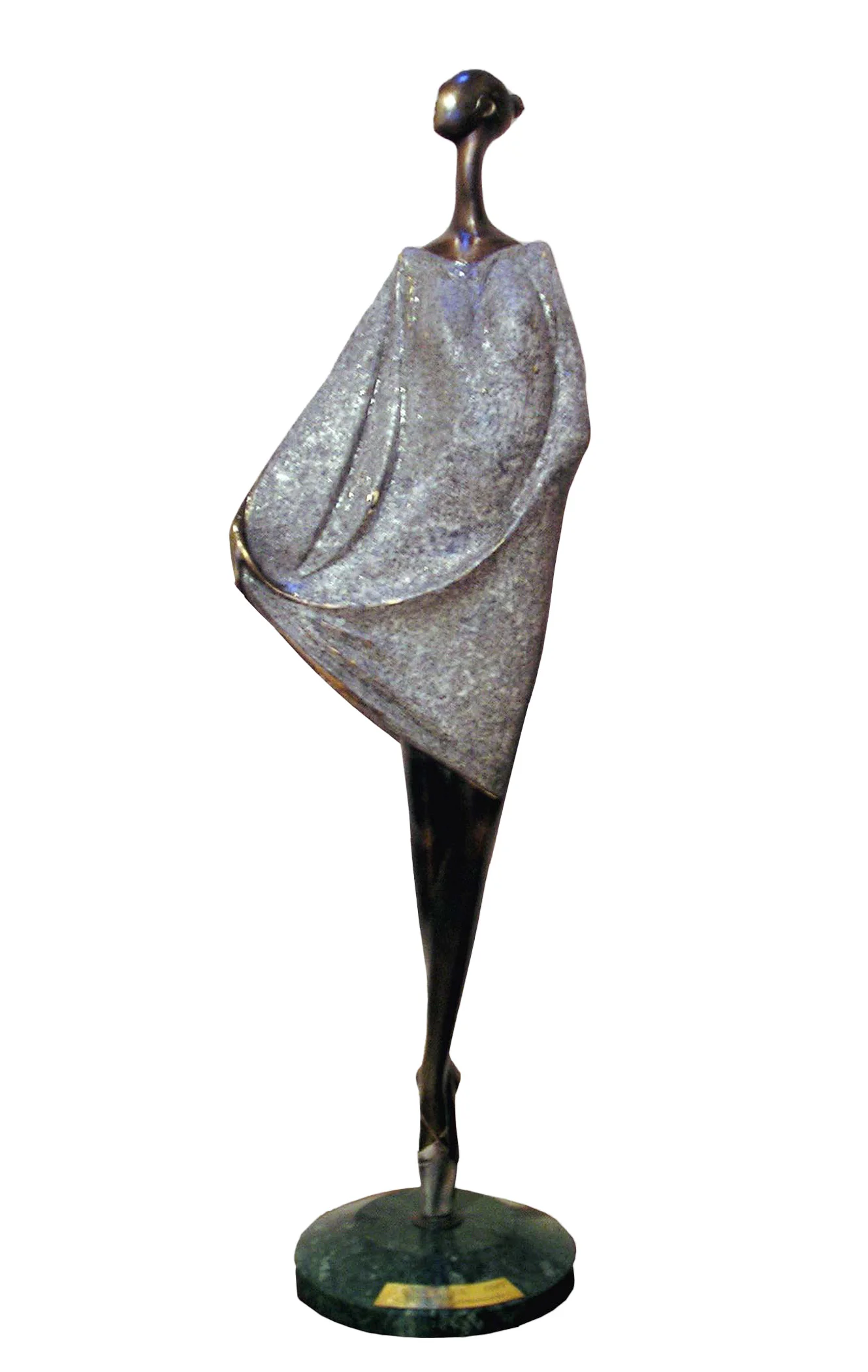
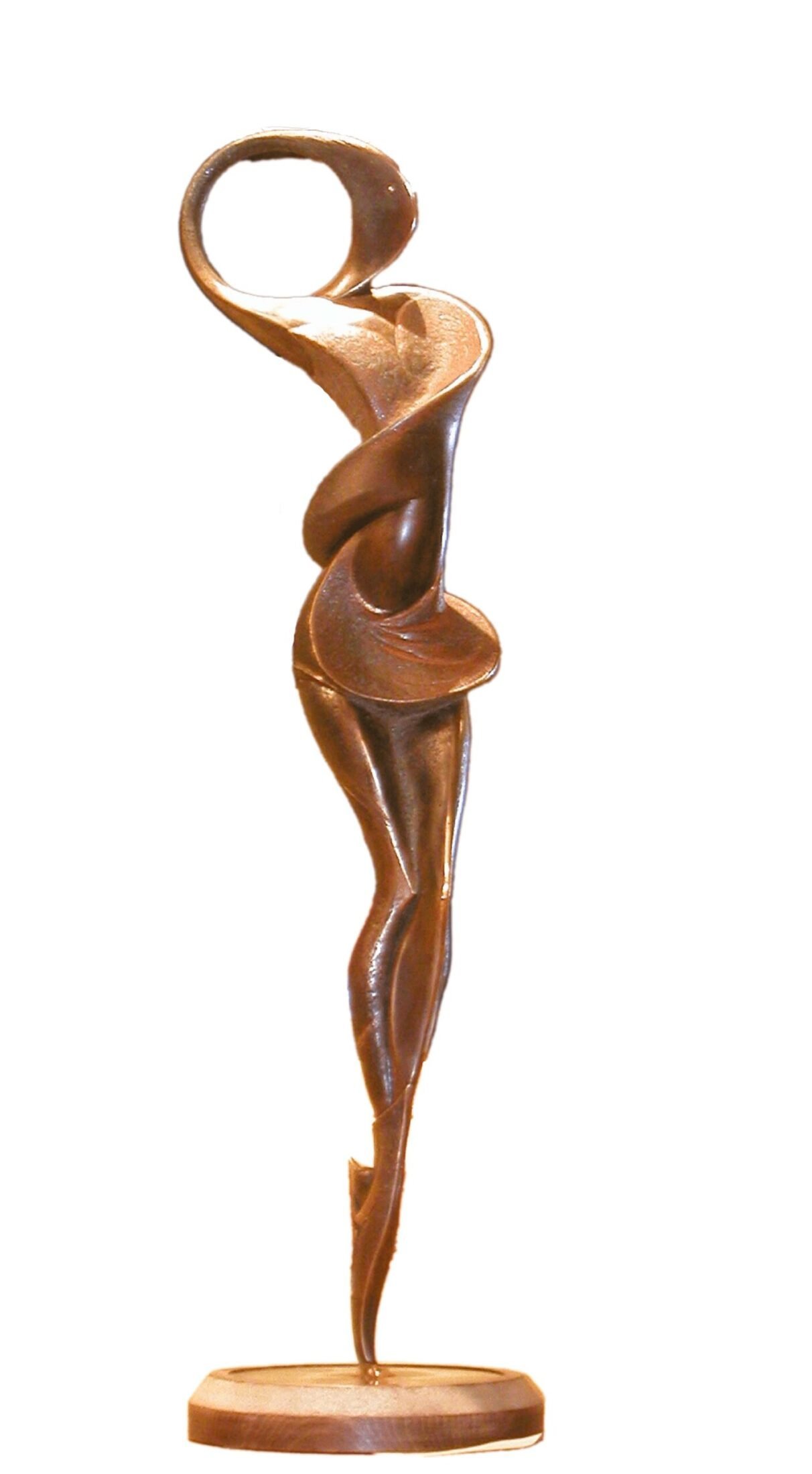
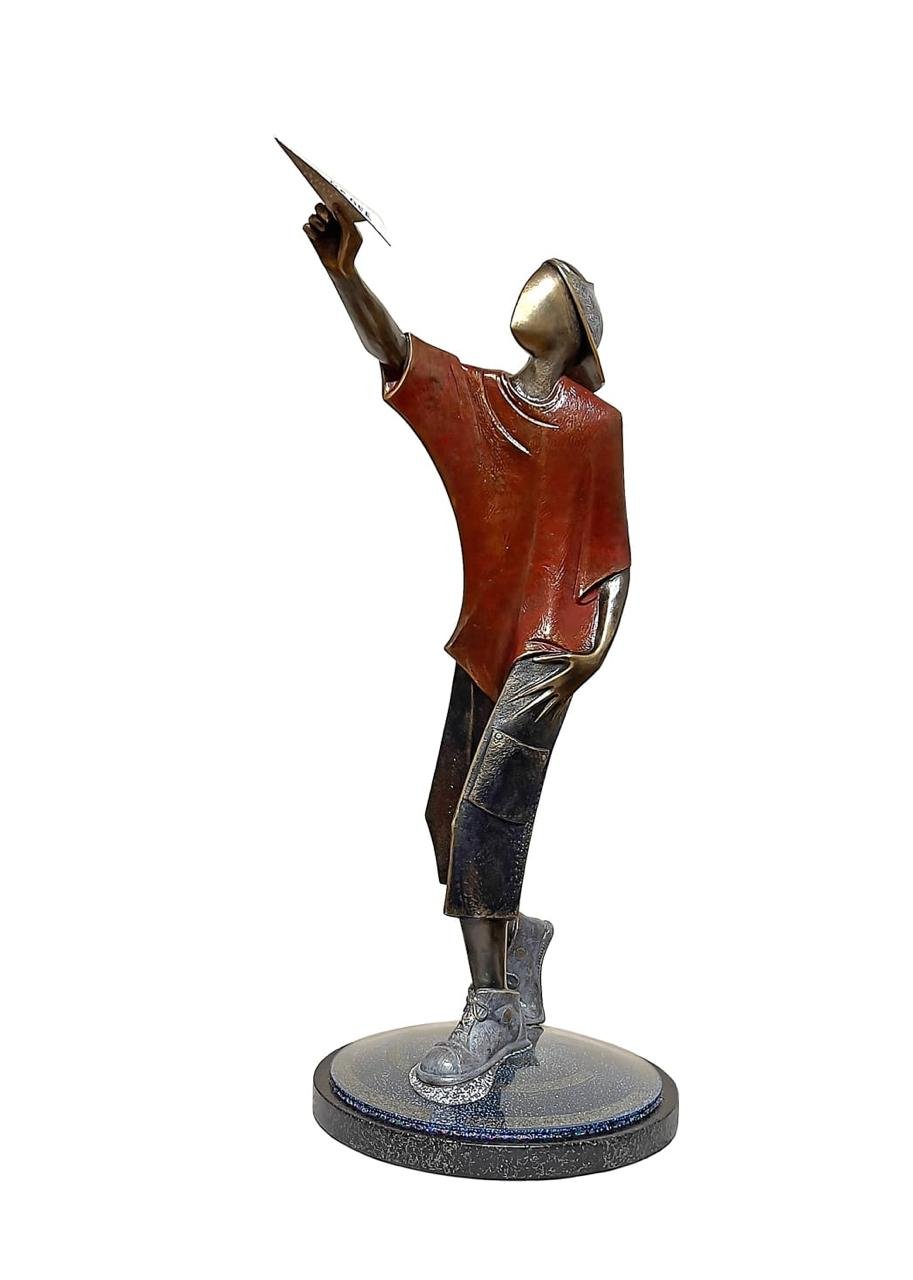
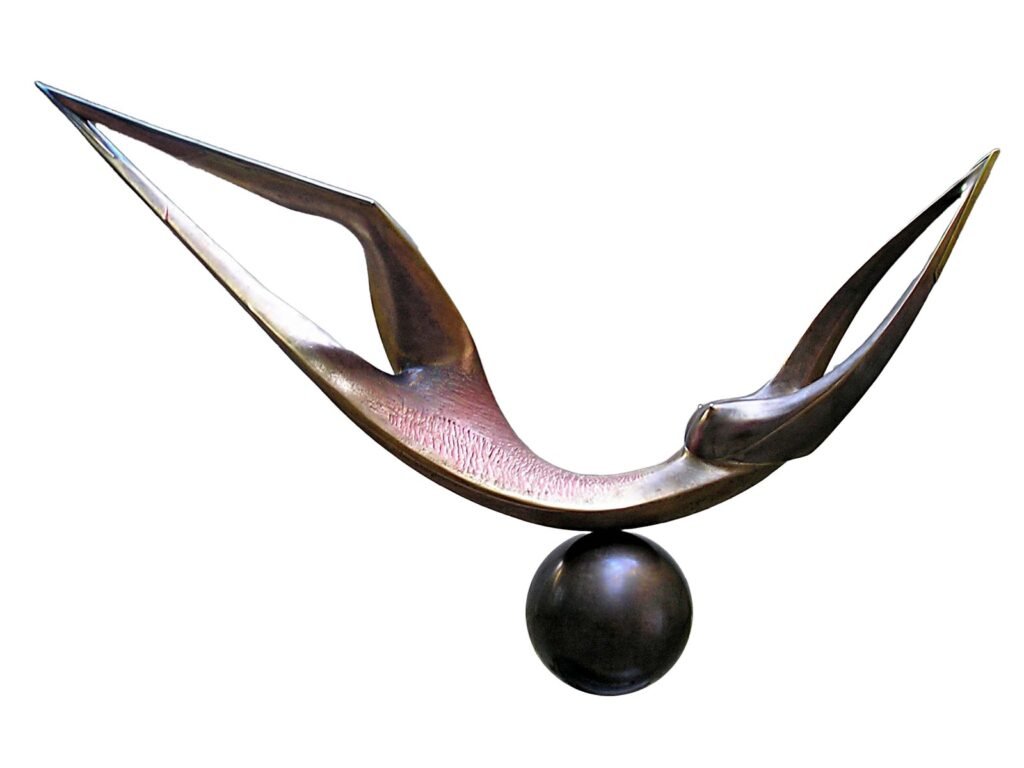
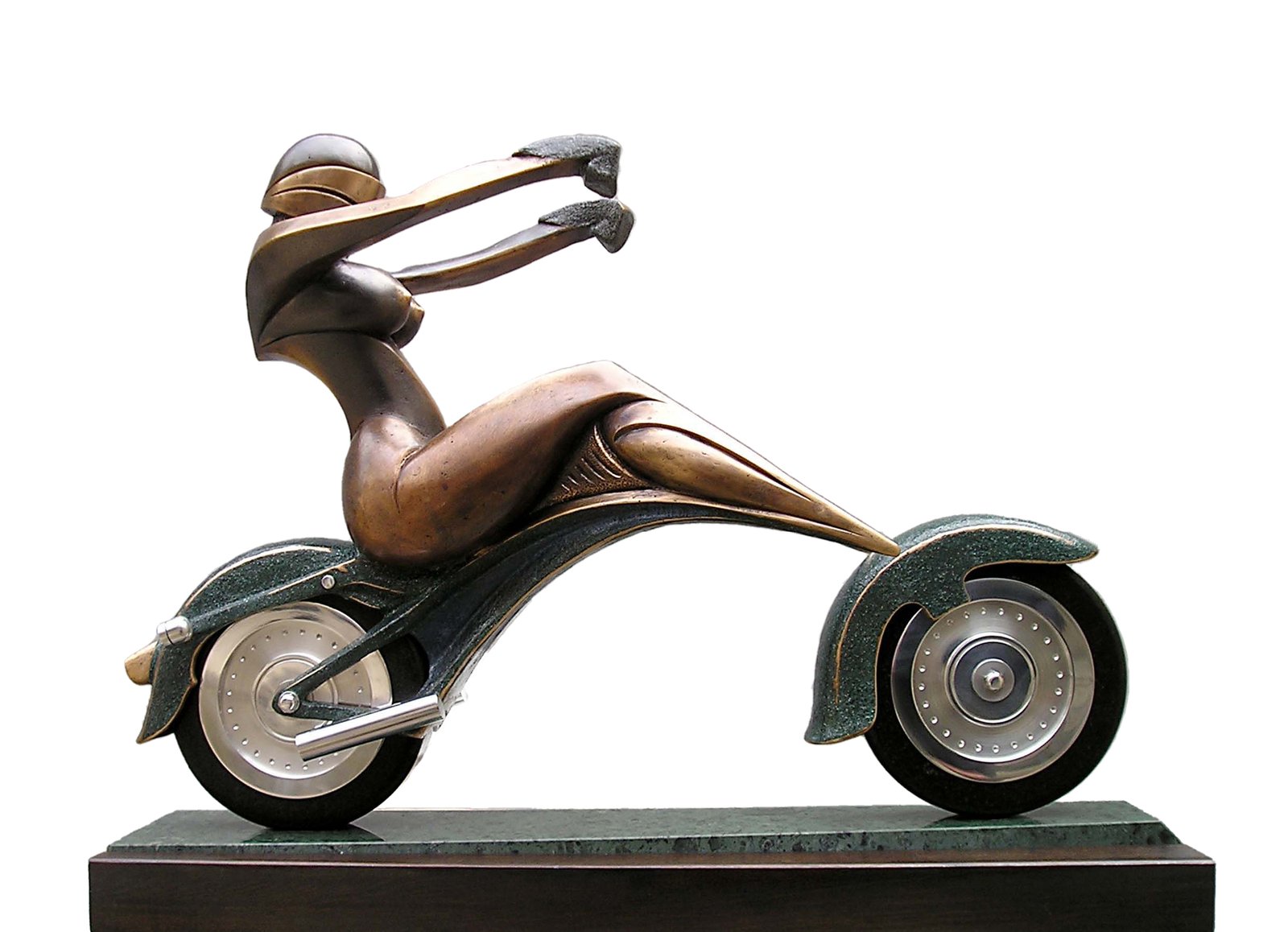
To view a Vardosanidze is to hear a visual melody. Music operates as both the structural skeleton and the rhythmic heartbeat of his library. In works like “Dancing on the Mirror,” the artist achieves a state of “refined silhouette,” where the bronze loses its static quality and takes on a rhythmic fluidity. Critics often note the “tactile tension” in his lines—a visual cadence that guides the viewer’s eye with the precision of a conductor’s baton.
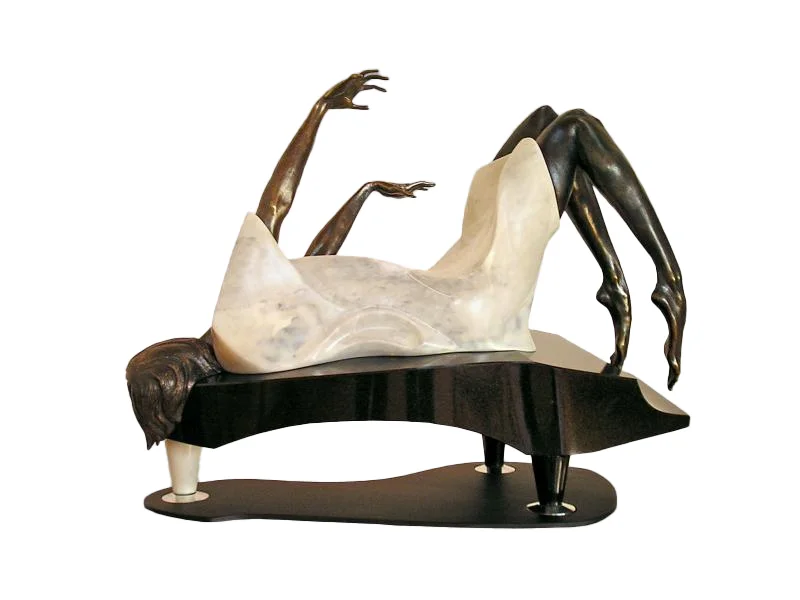
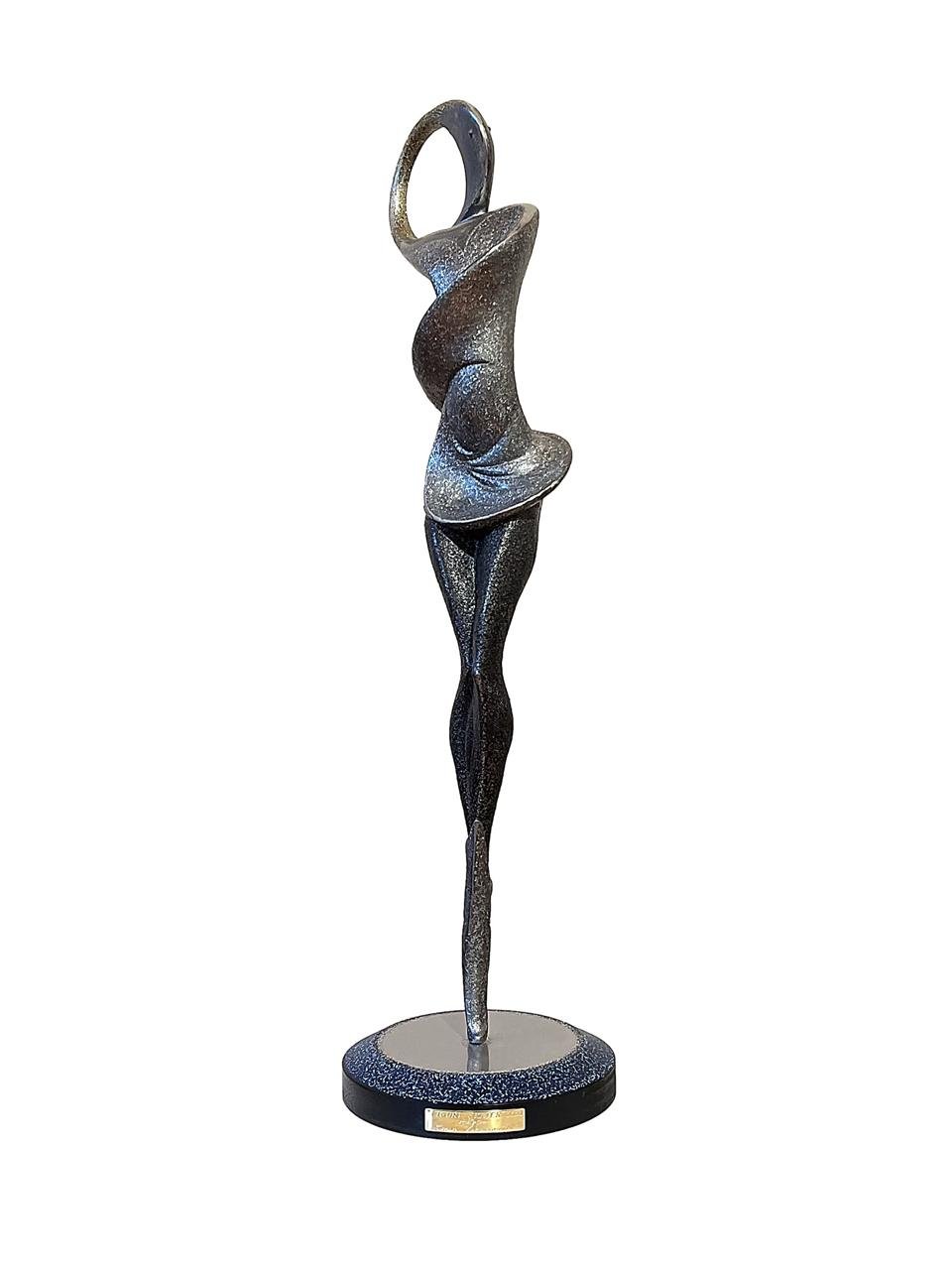
Whether exploring the whimsical geometry of “Drunk Piano”—a masterful dialogue between the cold permanence of granite and the industrial sheen of steel—or the soaring, vertical elegance of “Ballerina,” Vardosanidze consistently challenges the inherent stubbornness of his materials.